
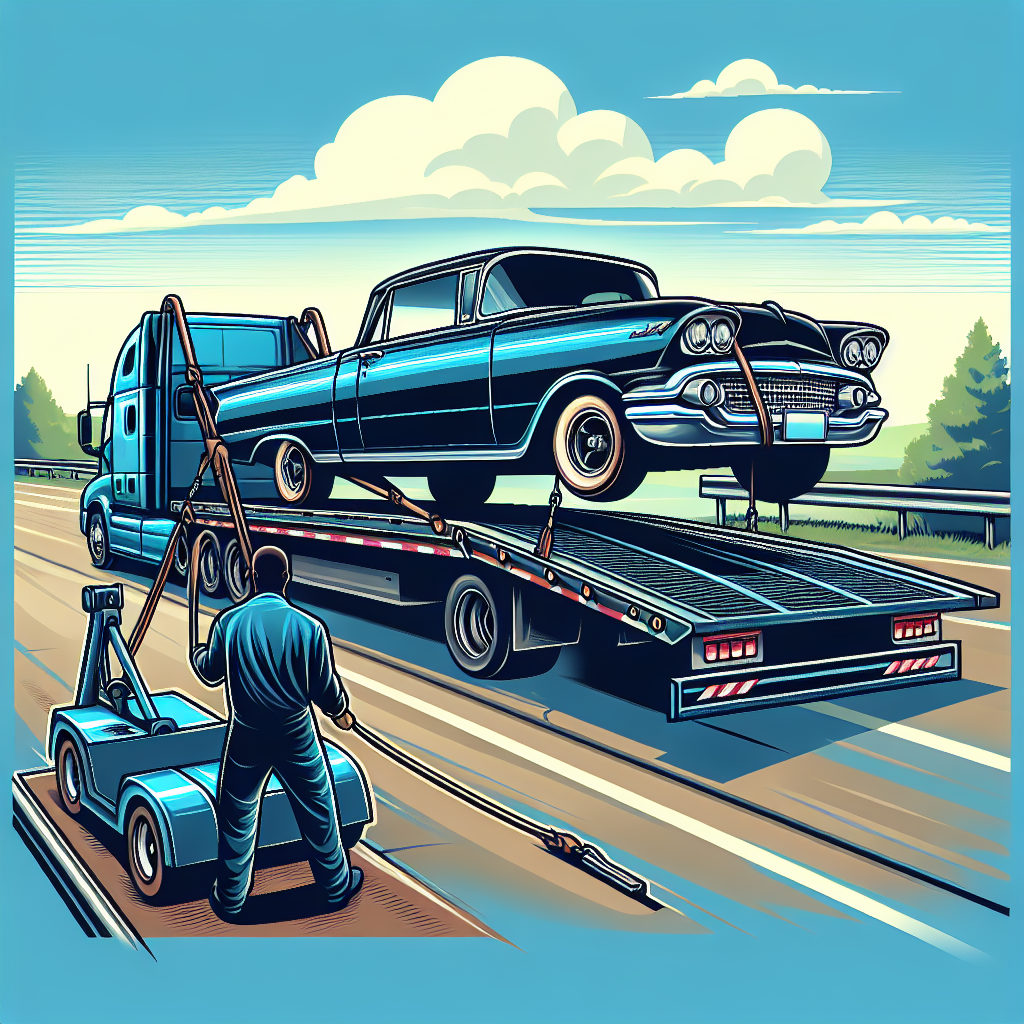
Alright folks, let’s talk about shipping a non-running vehicle. After 40+ years in the auto transport business, I’ve seen it all – from classic cars needing a little TLC to project cars waiting for their moment in the sun. And one question I get asked all the time is: “How do I ship a car that doesn’t run?” Well, you’ve come to the right place. This guide walks you through everything you need to know, from choosing the right transport method to prepping your vehicle and understanding the costs involved. And, of course, I’ll explain why Overbrook Auto Transport is your best bet for a smooth, stress-free, and damage-free experience.
Why Choose Overbrook for Your Non-Running Vehicle Shipment?
Shipping a non-running vehicle isn’t as simple as shipping a car that starts and drives. It demands extra care, specialized equipment, and a deep understanding of the logistics involved. You need a company you can trust. At Overbrook Auto Transport, we’ve built our reputation on over four decades of providing reliable, safe, and affordable auto transport services across North America. We treat every vehicle like it’s our own, especially those requiring that extra bit of attention. Here’s why Overbrook is the right choice for your non-running vehicle:
- Experience Matters: Forty years in this business isn’t just a number; it’s a testament to our ability to handle any auto transport challenge. We’ve shipped countless non-runners, from vintage classics to project cars in various states of disrepair, and we’ve learned the intricacies of safe and efficient transport every step of the way.
- Specialized Equipment: We don’t just use any old trailer. We utilize specialized trailers equipped with heavy-duty winches designed specifically for loading and unloading inoperable vehicles. This ensures your vehicle is handled with the utmost care and precision, minimizing the risk of any further damage.
- Personalized Service: We understand that shipping a non-running vehicle can be stressful. That’s why we provide personalized service every step of the way. We’ll answer your questions, address your concerns, and keep you informed throughout the entire process. Consider us your personal auto transport concierge.
- Upfront Pricing: No hidden fees, no surprises. We believe in transparency and provide clear, accurate quotes upfront. Get your free, no-obligation quote now: Get your free quote now!
- Safety First: Your vehicle’s safety is our top priority. From securement techniques to the latest safety protocols, we go the extra mile to ensure your car arrives at its destination in the same condition it left.
Understanding Your Options for Shipping a Non-Running Vehicle
So, you’ve got a non-runner. What are your options? Here’s a breakdown of the methods we offer at Overbrook:
- Open Transport: This is the most common and cost-effective method for shipping most vehicles, including non-runners. Your vehicle will be transported on an open carrier alongside other vehicles. While exposed to the elements, open transport is generally safe and reliable for non-runners, especially when proper securement procedures are followed. We take every precaution to protect your vehicle during transit.
- Enclosed Transport: For vehicles that require extra protection – classics, luxury cars, or high-value vehicles – enclosed transport provides the ultimate peace of mind. Your vehicle is shielded from weather and road debris, traveling in a secure, enclosed trailer. While more expensive than open transport, it’s the preferred option for those seeking maximum protection for their investment.
- Flatbed Towing: This is the heavy-duty solution for vehicles that absolutely cannot be rolled, winched, or driven onto a trailer. Whether it’s missing wheels, has a completely seized drivetrain, or extensive body damage, flatbed towing offers a safe and secure transport method. We load your vehicle onto a flatbed truck using a crane or specialized equipment. Flatbed towing tends to be the most expensive option due to the specialized equipment and labor involved.
![[Relevant Image: Enclosed car carrier truck with a classic car inside]](https://overbrookautotransport.com/wp-content/uploads/2025/04/enclosed_car_carrier_truck_with_a_classic_car_inside_dalle_1744086550.png)
![[Relevant Image: Flatbed tow truck loading a non-running vehicle with a crane]](https://overbrookautotransport.com/wp-content/uploads/2025/04/flatbed_tow_truck_loading_a_non_running_vehicle_with_a_crane_dalle_1744086562.png)
Factors Affecting the Cost of Shipping a Non-Running Vehicle
Several factors influence the cost of shipping a non-running vehicle. Understanding these factors will help you budget accordingly:
- Distance: Longer distances generally translate to higher costs due to increased fuel consumption and driver time.
- Vehicle Size and Weight: Larger and heavier vehicles require more specialized equipment, more fuel, and potentially different trailer types, all of which can impact the price.
- Location: Shipping to or from remote or difficult-to-access areas can increase the cost due to logistical challenges.
- Time of Year: Like many industries, auto transport experiences peak seasons (typically summer) where demand is high. Shipping during these periods might be slightly more expensive.
- Type of Transport: As mentioned, enclosed transport and flatbed towing are generally more expensive than open transport due to the specialized equipment and added level of service.
- Operability: Even though it’s a non-runner, the degree of inoperability matters. A vehicle that can be steered and rolled is easier to load than one completely seized up. Be upfront and honest about your vehicle’s condition. This allows us to provide the most accurate quote and choose the most appropriate transport method.
Ready for a personalized quote? Contact us for pricing.
Preparing Your Non-Running Vehicle for Shipping
Proper preparation is essential for a smooth and damage-free transport. Follow these steps to get your non-runner ready for its journey:
- Inform Your Transporter (Overbrook!): Honesty is key. Tell us exactly what’s wrong with your vehicle. The more details you provide about its condition, the better we can prepare and choose the right equipment for the job.
- Disconnect the Battery: This prevents electrical issues and battery drain during transit.
- Empty the Fuel Tank (If Possible): A near-empty tank reduces weight and the risk of leaks or spills during transport. Check with your Overbrook representative about specific requirements. Some regulations may apply depending on the shipping distance and method.
- Secure Loose Items: Remove or securely fasten anything that could move around inside the car during transport. This includes personal belongings, antennas, spoilers, and any aftermarket parts. This prevents damage to the interior and ensures your belongings arrive safely.
- Document Existing Damage: Take clear photos and videos of any existing damage before shipping. This protects you in case of any disputes and provides a record of the vehicle’s condition prior to transport.
- Provide Keys and Necessary Documentation: Ensure the transporter has the keys (even if the car doesn’t run, they might be needed to steer, release the parking brake, or access certain components), the title, and any other required documents. This ensures a smooth pickup and delivery process.
What to Expect During the Shipping Process with Overbrook
Here’s a step-by-step overview of what you can expect when shipping your non-running vehicle with Overbrook:
- Pickup: Our experienced transporter will arrive with the appropriate equipment – be it a specialized trailer, flatbed, or winch – to safely load your vehicle. They’ll handle your vehicle with care, ensuring it’s securely fastened for its journey.
- Transport: Your vehicle will be transported to its destination according to the agreed-upon schedule. We provide regular updates throughout the transport process, keeping you informed of your vehicle’s location and estimated arrival time. You’ll never be left wondering where your car is.
- Delivery: Upon arrival, the transporter will carefully unload your vehicle at the designated location. You’ll have the opportunity to inspect the vehicle and ensure everything is in order before signing the bill of lading.
Overbrook Auto Transport: Your Trusted Partner for Non-Running Vehicle Shipping
Shipping a non-running vehicle is a specialized service. Choose a company with the experience, equipment, and dedication to handle your vehicle with care. Choose Overbrook Auto Transport.
- Decades of Experience: We’ve honed our expertise over 40 years, handling every type of vehicle transport challenge imaginable. Non-runners are our specialty.
- Cutting-Edge Equipment: From specialized trailers and heavy-duty winches to flatbed trucks and cranes, we invest in the right tools to handle your non-running vehicle safely and efficiently.
- Dedicated Customer Service: Our team is here to answer your questions, guide you through the process, and provide support every step of the way. We’re always available to address any concerns you may have. Connect with us: Connect with us on Facebook and see photos on Instagram.
- Transparent Pricing: We’ll give you a clear, comprehensive quote upfront with no hidden fees. You’ll know exactly what to expect. Request a personalized quote.
Common Questions about Shipping Non-Running Vehicles
Here are some frequently asked questions we receive about shipping non-running vehicles:
- Do I need to drain all fluids from my non-running car? A near-empty fuel tank is generally recommended. Consult with your Overbrook representative at +19546236233 for specific guidelines regarding other fluids.
- What if my car is missing wheels? Not a problem! We can handle vehicles missing wheels using our flatbed towing service. Just let us know in advance so we can prepare accordingly.
- Can I ship a car with a salvage title? Yes, absolutely. We can ship vehicles with salvage titles.
- How long does the shipping process take? Transit times vary depending on the distance, chosen transport method, and other factors. Your Overbrook representative will provide you with an estimated delivery window.
- Is my vehicle insured during transport? Yes, your vehicle is insured while in our care. We’ll provide you with all the details about our insurance coverage. Your peace of mind is important to us.
![[Relevant Image: Close-up of a winch securely attaching a non-running vehicle to a transport trailer]](https://overbrookautotransport.com/wp-content/uploads/2025/04/close_up_of_a_winch_securely_attaching_a_non_running_vehicle_to_a_transport_trailer_dalle_1744086579.png)
Tips for a Smooth and Stress-Free Shipping Experience
- Plan Ahead: Don’t wait until the last minute to book your transport. Planning ahead allows for smoother scheduling and potentially better pricing.
- Communicate Clearly: Be upfront with your transporter about your vehicle’s condition. The more information you provide, the better we can serve you.
- Choose a Reputable Transporter: Research and select a transporter with a proven track record of safety and reliability, like Overbrook Auto Transport. Check online reviews and ask for references.
- Read the Contract Carefully: Before signing any contracts, make sure you understand all the terms and conditions.
Ready to ship your non-running vehicle with confidence? Start your transport booking with Overbrook Auto Transport today! Get your free, no-obligation quote by visiting our Contact Us page, calling us at +19546236233, or emailing support@overbrookautotransport.com. We’re here to answer any questions you may have and provide you with the best possible auto transport experience. Don’t hesitate – we’re ready to help! Discuss your needs with one of our experienced transport specialists. We’re committed to providing you with the personalized service and expertise you deserve.
